

Welcome back friends, I hope you are doing well. Spring certainly has been challenging here in zone 5b. The weather has been all over the place from warm and sunny, to rainy, and back to cool temps, threats of frost and windy days. It’s Wisconsin, so we do what we can and wait for the warmer days.
Making Room for Growth
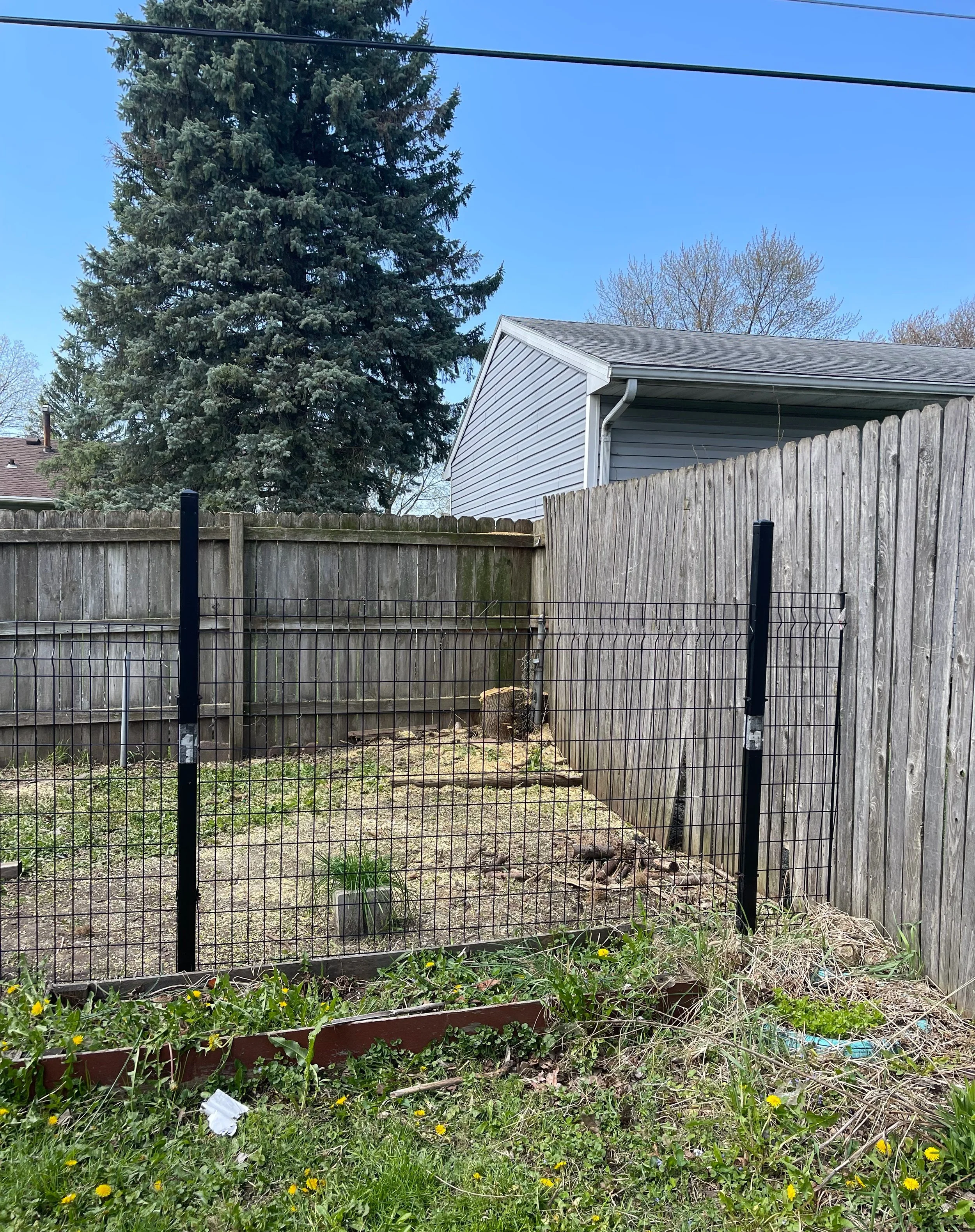
I hinted to changes coming to the garden in my last post and the time has come to share some of the changes that have taken place. If you were here with me last summer, you know I had a dead zone space in the garden that was not usable due to a tree that shaded much of the area. I’m excited to report, that dead zone is cleared and ready for plants!
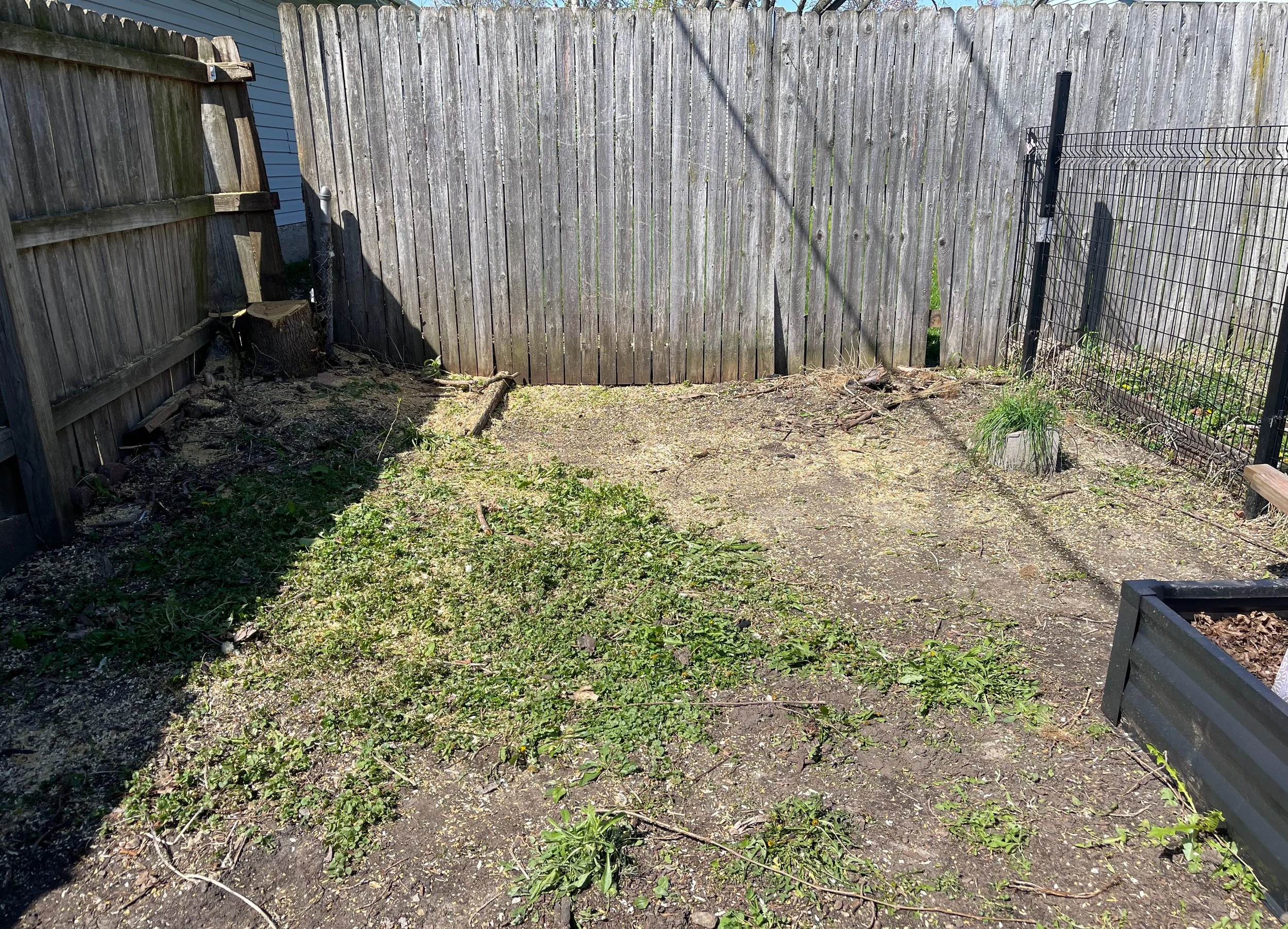
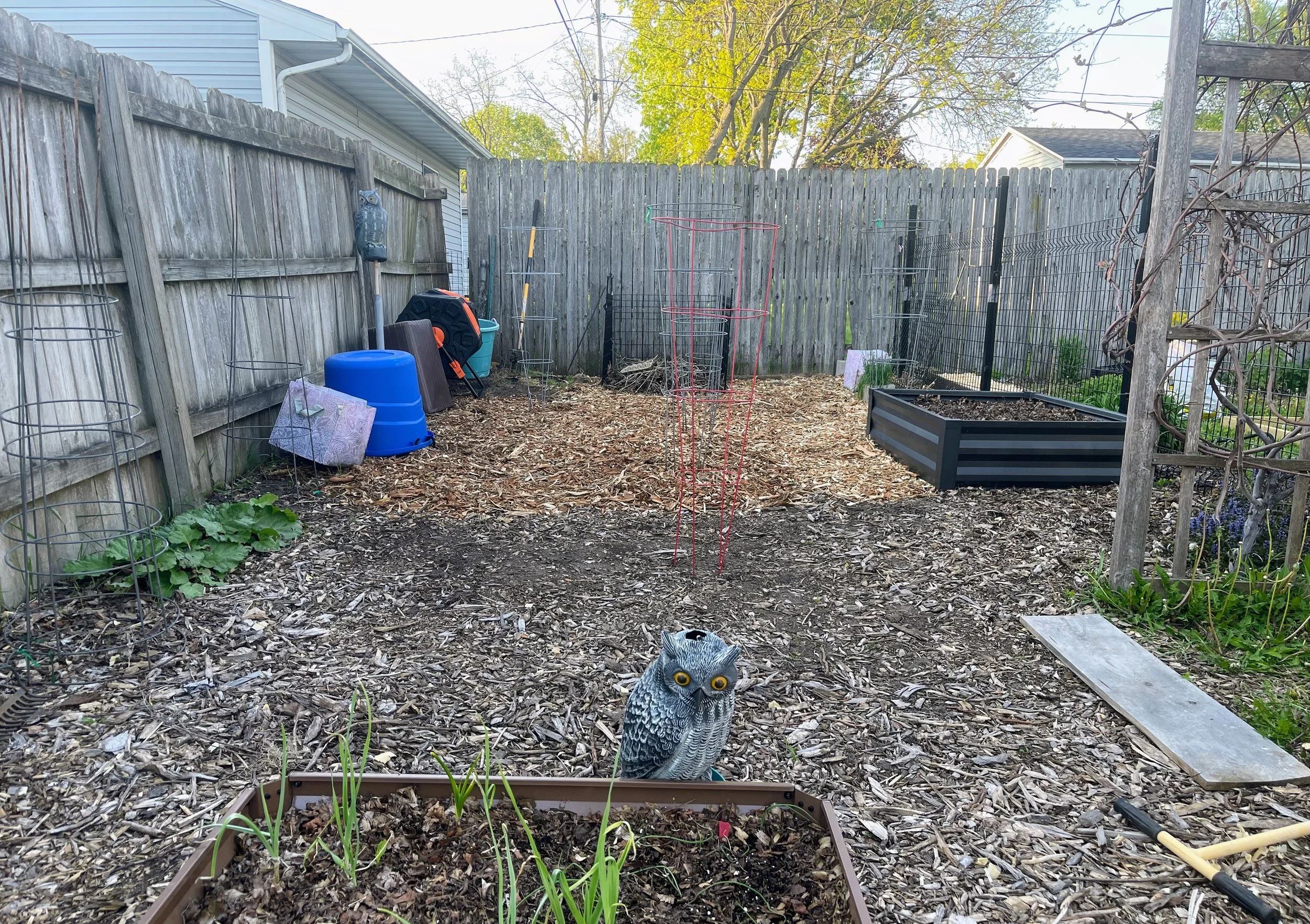
The pictures below show the transformation. This space is on the north side of my garden. The photo on the left shows the space where the tree was removed. The photo in the middle shows some of the work that needed to be done to clean up the area. The photo on the right shows some of the transformation and beginning layout.
Using this third photo as reference, you can see that there are tomato cages already set in place. I did this as I was prepping the area for planting so I had what felt like a decent amount of space between plants. Knowing the way I plant, the space may get more plants than it should - haha! You can see just the edge of a raised bed that was added last year at the bottom of the third photo. From last years blog, this is the same bed that was closest to the foreground in last year’s photos.
Clean-up & Expansion
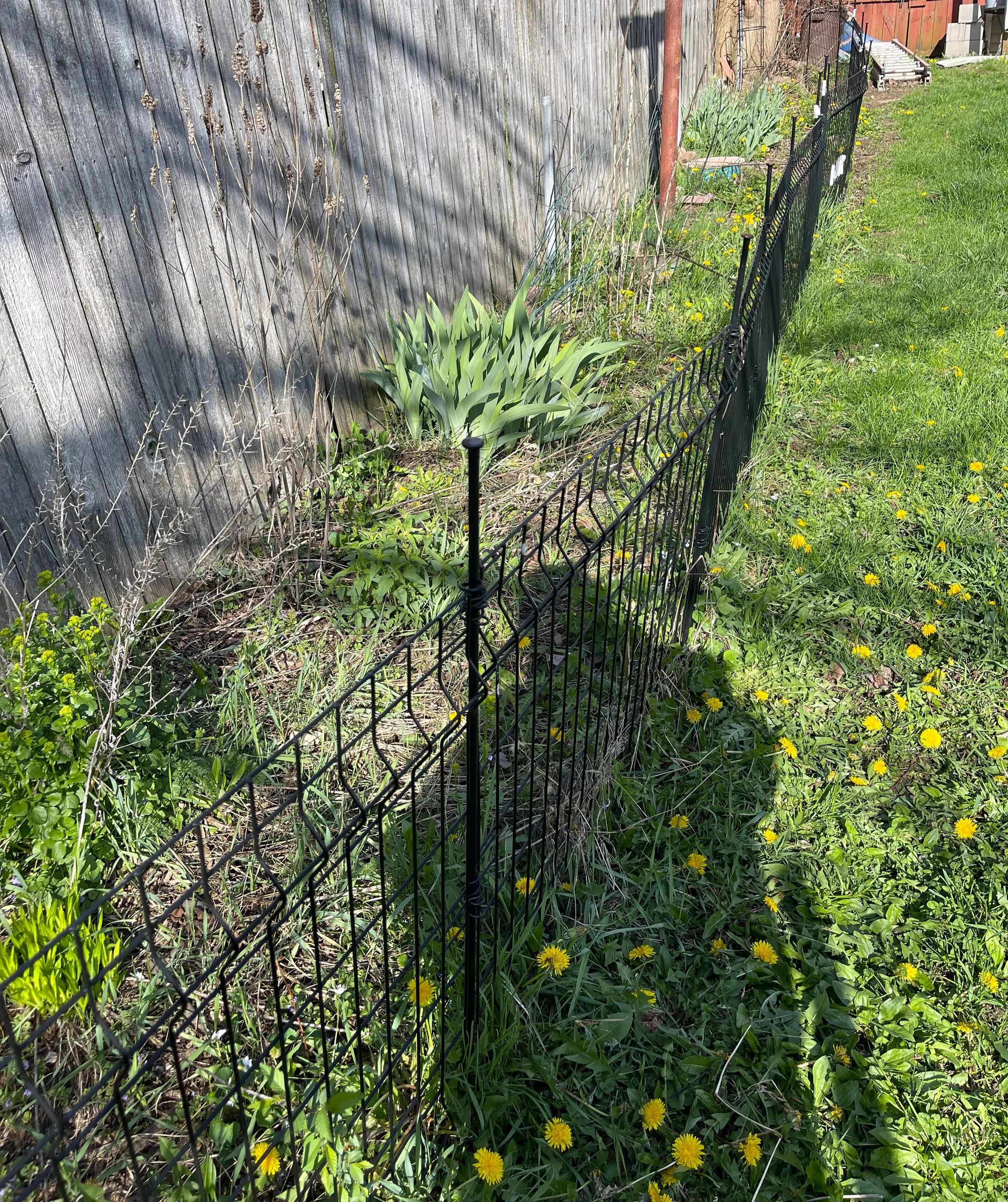
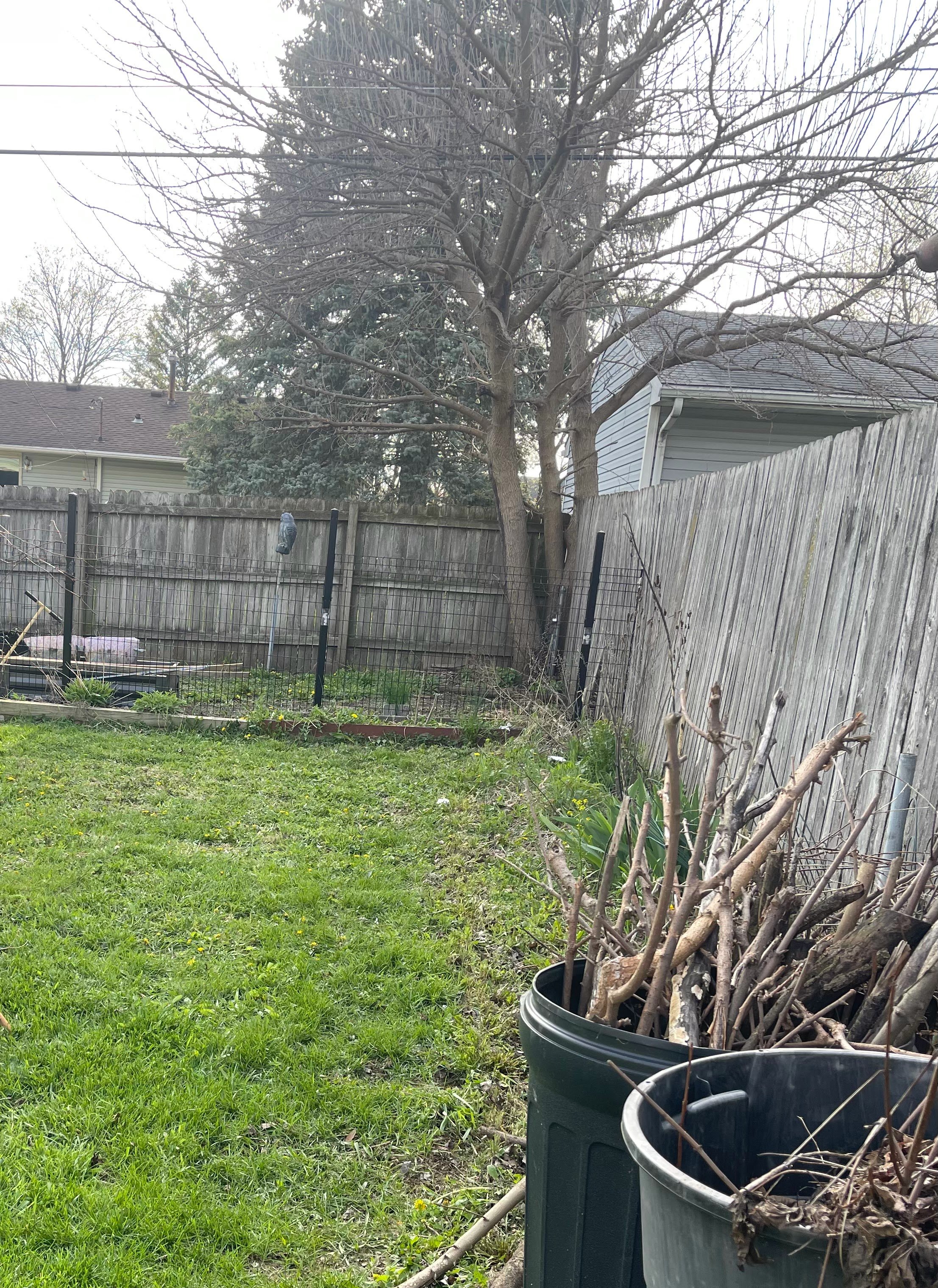
From here, I moved on to space outside the main vegetable garden. I had a temporary fence that ran along most of the north side of my yard that has now been removed. The photo on the left shows the fence. This area is home to some perennial flowers - yarrow, iris, tulips, black-eyed Susan’s, and a few others. The picture on the right shows the fence is gone. There are some spaces in this area that are going to be filled with additional perennial prairie natives. Additionally, I have some space that is going to be used for some exciting new to me varieties of vegetables (more on those in a future post)!
Using the left-most picture above, in the forefront you can see a wood frame that is pretty much overgrown. I cleaned up this bed and have adapted it to grow potatoes. It’s a great example of the sustenance side of the garden - while my Seasonal Harvest line focuses on those bright salsas and pickles, these potatoes are all about the winter staples for my own kitchen.
The “Acidic Island” Project
While most of my garden shares a similar soil profile, one of the most exciting additions this year required a complete rethink of my ground rules. If you’ve been following the business side of things at Fanny’s Baked Goods, you know I’m always looking for that next unique or hard to find flavor for our fruit jams.
Enter: The Lingonberry.
I first got a taste of lingonberry jam a few years ago while traveling the state and fell in love! Lingonberries are a more complex, less bitter cousin to cranberries. Because they are native to Nordic forests, they share a lot of traits with cranberries and blueberries - not just their bright, acidic taste, but also their very specific growing conditions.
To give these beauties their best shot in our Wisconsin clay, I had to build a dedicated “Acidic Island.” Since lingonberries crave the same low pH environment as blueberries, I used a custom blend of peat moss, pine bark, and perlite as well as a soil acidifier.
I’ve tucked this new bed into a north-south run where it will get plenty of sun, but with a clever twist: as summer kicks in, my trellised cucumbers will provide a bit of dappled afternoon shade to keep the berries from getting scorched.
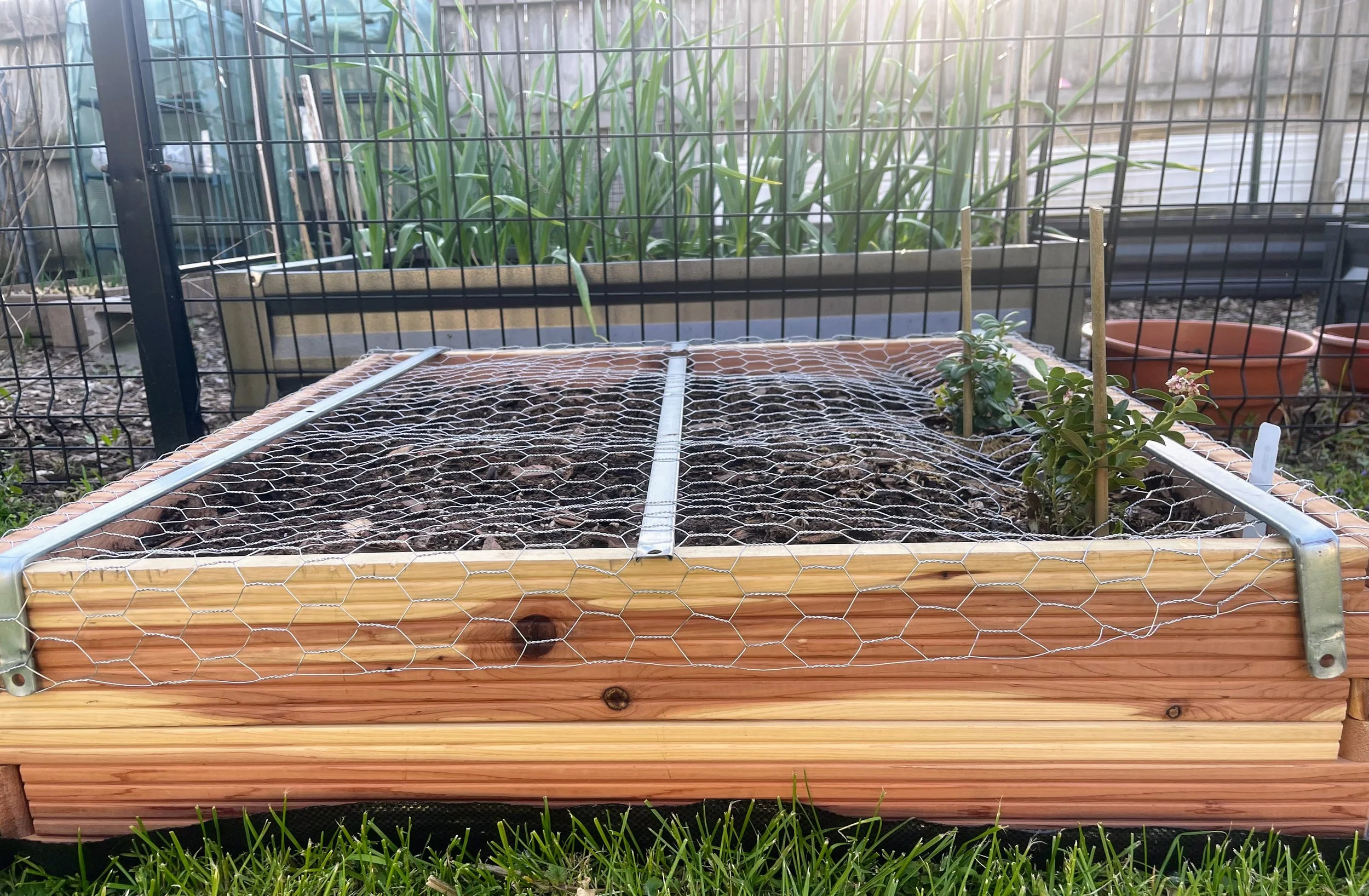
Lingonberry bed
Since I am new to growing lingonberries, I’ve been researching and reading. Lingonberries need at least two varieties in order to pollinate and produce. I waited a little too long to purchase the variety I wanted to add, but was lucky enough I was able to get two varieties to get started with. I also overestimated how big the berry plants get. Most lingonberries only reach about 6 to 12 inches in height and spread to about 12 to 18 inches wide. Due to this growth pattern, I will be getting another variety or two as soon as they are available again to ship (or if I get lucky enough to find them at a nursery).
While I will not have a harvest this year from the plants, I found a source to get berries so I can make jam for the market. I cannot wait to bring this exciting new flavor to my community! Keep an eye out on my social media for which market weekend the first batch of Lingonberry jam will debut!
What’s Next?
The expansion doesn’t stop at the Acidic Island. While the lingonberries and potatoes are settled in, I still have empty space, big dreams - and a few more boxes on the way!
I’m currently prepping for some mystery additions that I’ve never grown before. They’ll be taking up residence in that newly-cleared north-side space, and if they do as well as I hope, they’re going to be a game-changer.
Can you guess what’s arriving next? I’ll give you a hint: they thrive in the Wisconsin sun but will eventually need some sturdy support once they start to climb. If you’re a fan of our Seasonal Harvest, you might have an idea of what I’m dreaming up!
Stay tuned!
Keeping it growing (and baking!),
Fanny